Grand Rapids, MI · Garage Door Service
Grand Rapids homes built between 1954 and 2002 face a specific cold-weather spring failure pattern. Here's what local housing stock and climate mean for your door.
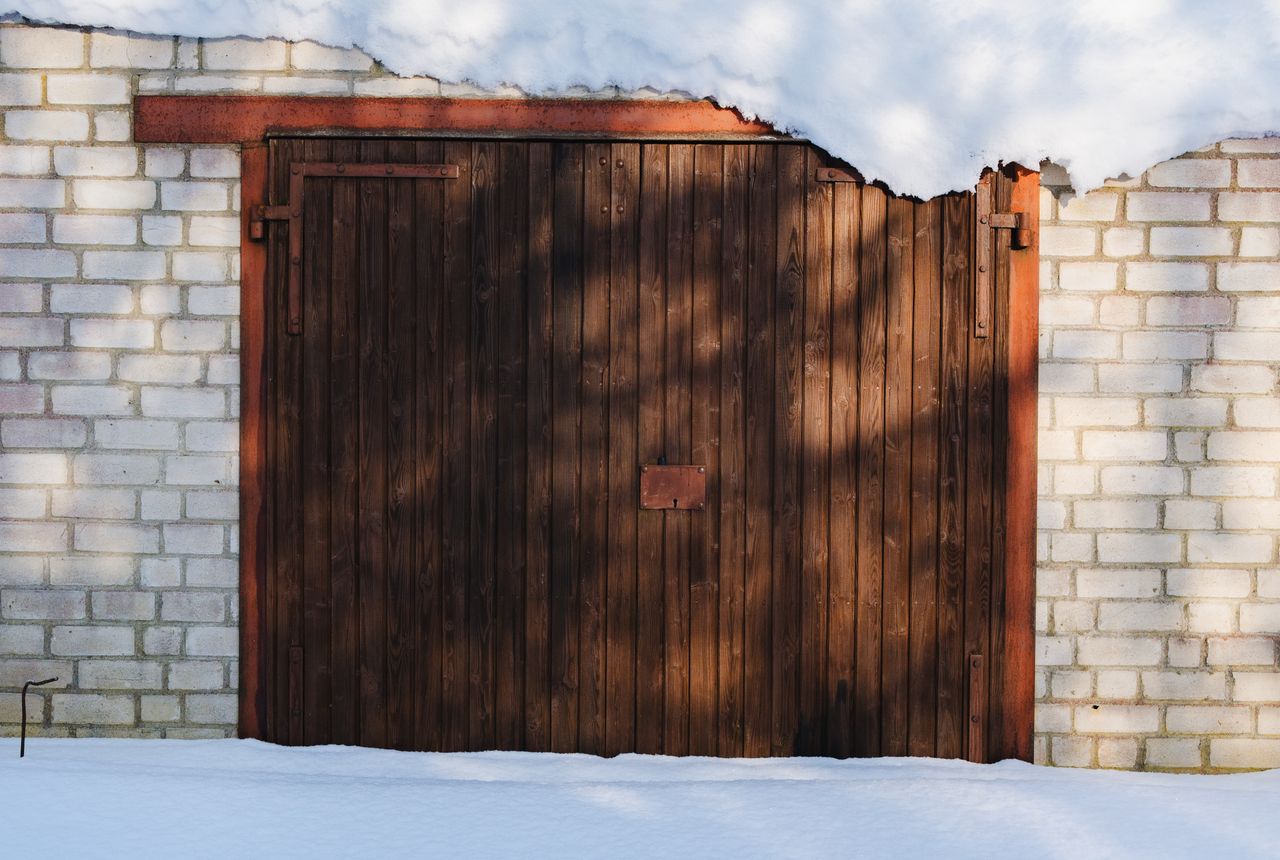
Most houses across this service area went up between 1954 and 2002, with the median build year sitting at 1983. That thirty-year window matters because it's the era before insulated steel doors were standard and before openers came with rolling-code safety sensors as a baseline feature. A door on a 1983 house in Creston or Garfield Park is likely on its second or third opener by now, but the torsion spring hardware and the track mounting are often original or close to it.
Grand Rapids sits in a cold, severe climate band. That's not a description of a bad week in January - it's a classification tied to how many freeze-thaw cycles a spring, a roller, and a cable see in a normal year. Steel contracts in the cold. A torsion spring wound to a certain tension at 70 degrees is under different load at 10 degrees, and the hardware on a house built in the 1980s wasn't engineered with that swing in mind the way a newer system might be.
Across the 26 named areas in this market, from Westside Connection to Ridgemoor, the housing age is consistent enough that the failure pattern repeats: aging torsion springs meeting hard winter load.
A spring rated for a certain number of cycles doesn't fail gradually in this climate - it fails on the cold morning you need the door most. On a house from the 1954-2002 build range, that spring has usually seen twenty, thirty, even forty winters of contraction and expansion. Metal fatigue doesn't announce itself. One cold snap is often the difference between a spring that holds and one that snaps.
With 75,312 owner-occupied houses across this area, a large share of them built in that same window, this isn't a rare call. It's the single most common reason a door won't open on a January morning: not the opener, not the remote, but a torsion spring that gave out under cold-weather load on hardware that's been doing the same job since the Reagan administration.
The honest limitation here: if your spring already snapped and the door is down, that's not a maintenance visit - that's a repair call, because a broken torsion spring under tension is not something to work around or wait out.
A garage door in a cold, severe climate zone puts real load on a torsion spring, and that spring stores enough energy to cause serious injury if it's handled wrong. If your door is heavy to lift by hand, if it's uneven when it opens, or if you can see a gap or separation in the coil on the spring itself, that's the point to stop and call rather than reach for a wrench.
Houses in this area built before the mid-1990s often still run galvanized springs rather than the oil-tempered springs that became more common later, and the two don't behave the same way in cold weather. If you don't know which one is on your door, that uncertainty alone is a reason to have it looked at rather than guessed at.
We don't recommend attempting a torsion spring replacement yourself regardless of the tools you own. It's the one repair on a garage door where a mistake doesn't mean a redo - it means an ER visit. Cable and roller work is more forgiving; springs under tension are not.
Fall is the window to check hardware before the cold sets in - tightening loose bolts on a track, checking a cable for fraying, lubricating rollers before the first freeze locks up whatever grease is left from last spring. On houses from the 1954-2002 stock common here, this is also when a spring that's been marginal all summer starts showing it.
Winter is when the cold, severe climate classification does its work. Steel hardware that flexed fine in August gets stiff and brittle-feeling in January, and this is the season that produces the bulk of the emergency spring calls in this market. Cold doesn't cause the fatigue, but it's usually the trigger that turns a weakened spring into a broken one.
Spring and summer bring a different problem: humidity swings that can warp wood-panel doors, common on older homes in this build range, and concrete slab shifts that throw an old track out of alignment after a hard winter. With a median household income of $76,463 across this area, most owners here are weighing a repair against a full replacement at some point - and on a door that old, that's often a fair question to ask rather than assume.
Cold steel is less forgiving than warm steel. A torsion spring that's been slowly fatiguing for years, common on houses built in the 1954-2002 range here, tends to give out on the coldest mornings because that's when the load on it is highest. It's not coincidence - it's the cold, severe climate doing what it does to aging hardware.
Yes. The median home in this area was built around 1983, and a lot of original torsion hardware and track mounting from that era is still in service. Older galvanized springs behave differently in cold weather than newer oil-tempered ones, so the age of your house is a real clue to what's likely failing.
We don't recommend it. A torsion spring holds enough stored energy to cause serious injury if it lets go while you're working on it. Cable, roller, and weatherstripping jobs are more forgiving for a confident homeowner - springs under tension are not one of them.
Call now or request a free quote - same-day service on most repairs, upfront written pricing.