Grand Rapids, MI · Garage Door Service
Grand Rapids houses built 1954-2002 face severe cold winters. Here's why doors on this stock let in draughts and when a seal fix isn't enough anymore.
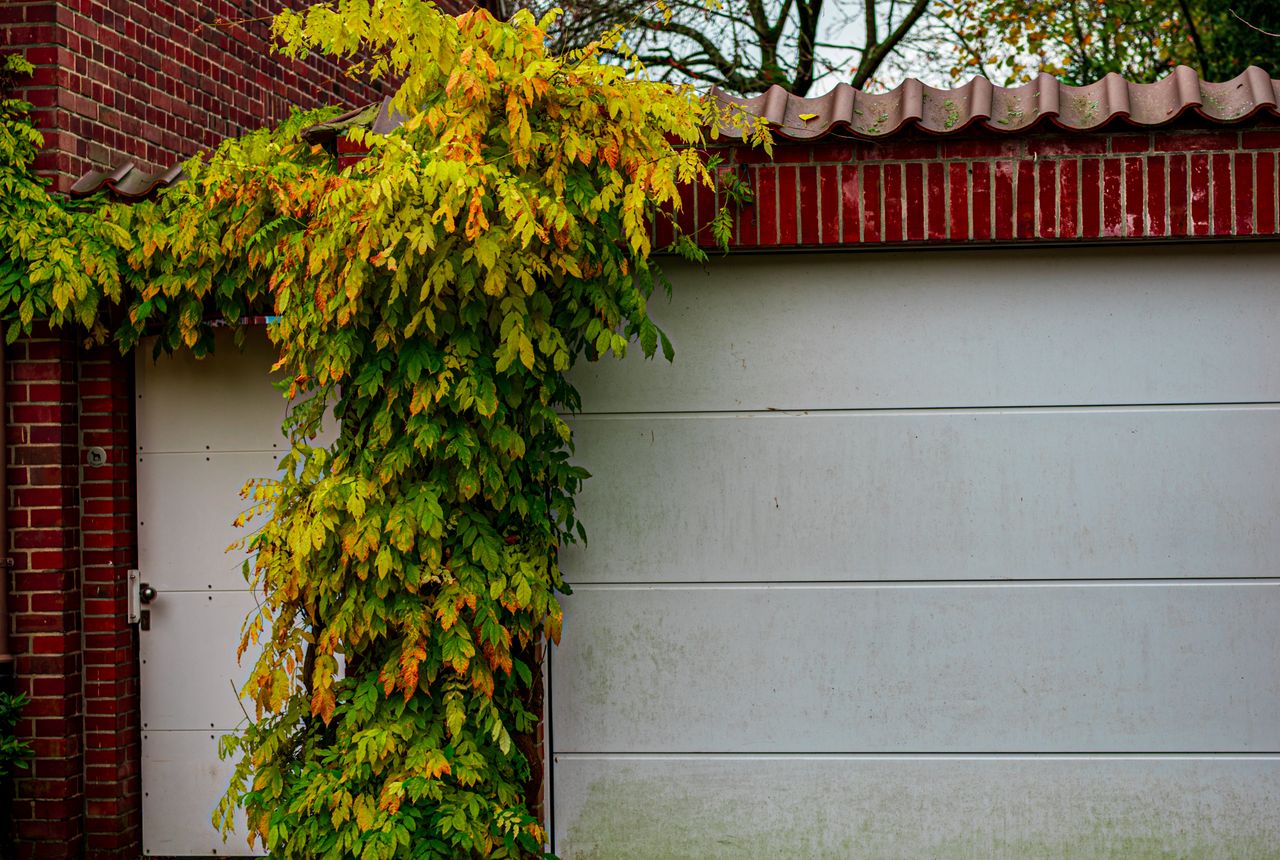
Most of the housing stock in this service area went up between 1954 and 2002, with the median build year sitting around 1983. That matters because doors and tracks installed during that stretch were built to a much lower cold-weather standard than what you'd spec today. Grand Rapids sits in a severe cold climate band, and that combination - an aging door on hardware from the 80s and 90s meeting real Michigan winters - is what drives most of the calls we get from October through March.
Across the 26 named areas we work in, from Creston and Belknap Lookout in the older core to newer pockets out toward Alpine Center and Ridgemoor, the pattern repeats: bottom seals harden and crack, weatherstripping pulls away from the jamb, and the gap under the door widens enough that you can feel the draught standing three feet back. It's not a defect in any one door. It's what forty-plus years of freeze-thaw cycles does to rubber and vinyl that was never rated for this.
Homes closer to the median 1983 build year tend to have steel doors with thinner insulation cores than what ships now, so the seal is doing more work holding heat in. When that seal fails, you notice it in the attached garage room and sometimes in the utility bill before you notice it in the door itself.
The draught itself is rarely the real problem - it's the symptom. On a door built in the 80s or 90s, a failed bottom seal usually means the track alignment has shifted slightly too, because the same freeze-thaw movement that cracks vinyl also works on the anchor bolts holding the track to the framing. Cold, damp winters make wood jambs swell and shrink season to season, and steel track brackets don't forgive that kind of movement forever.
With 75,312 owner-occupied houses across this service area, we see this same failure sequence often enough that it's not a coincidence tied to one neighborhood - it shows up in Garfield Park bungalows as much as it does in newer construction toward Caledonia's edge. What starts as a $20 seal replacement turns into a track realignment job once someone waits a full winter on it, because the door has been racking slightly every time it closes on an uneven gap.
We won't pretend every draught is a big job. Plenty of calls really are just a worn bottom seal and a five-minute fix. But if the seal looks fine and the draught is still there, the honest answer is usually the track, not the rubber.
Swapping a bottom seal yourself is reasonable - it's a strip of rubber and a few screws. Where we tell people to stop is the track. If you push on the door mid-travel and feel it flex or the rollers bind in one spot but not another, that's alignment, and correcting it on a door that's been out of square for a season usually means loosening and re-shimming brackets under spring tension. That's not a place to improvise on a house built in the 1980s or 90s where the original hardware is still in place and may not match what's sold today.
This is also where the age of the local stock works against a homeowner trying to save a service call. Doors from that era sometimes used mounting hardware that's been superseded, so a bracket that looks like a standard fit at the hardware store isn't quite the same gauge or spacing as what's already on the wall. Forcing it can crack the jamb it's bolted to.
Our limitation here: we don't stock every legacy bracket for every build year on the shelf. If your door needs a part specific to its original hardware, there can be a short wait on it. We'll tell you that upfront rather than promise a same-day fix we can't back.
Fall is when we'd rather see you than January. A seal that's cracking in October will fail outright the first hard freeze, and in a severe cold climate that freeze can come early. Checking the bottom seal and weatherstripping before the first real cold snap costs nothing and catches most of what would otherwise be an emergency call.
Winter is when track and spring problems actually show up, because cold makes steel more brittle and torsion springs lose a bit of tension in the cold, so a spring that was marginal in September can fail in February. Given the median household income here of $76,463, most owners we talk to would rather spend on a seal in the fall than a full spring replacement plus a rushed midwinter service call.
Spring and summer are for the bigger jobs - track realignment, panel replacement, anything that needs the garage above freezing to do properly with adhesives and sealants that need to cure. If your door has been dragging all winter, that's the window to actually fix it instead of patching it again.
If the seal is new but the draught is still there, the track is likely out of alignment - common on houses built in the 1980s and 90s once the seasonal freeze-thaw cycle has shifted the mounting brackets. A new seal can't compensate for an uneven gap caused by a racked track.
Yes. Grand Rapids sits in a severe cold climate band, and torsion springs lose some tension in cold steel, so a spring that was already worn can snap on a hard freeze rather than waiting until it's more visibly worn. That's why we see more spring calls between December and February.
Not safely on a door under spring tension, and not on hardware from a house built decades ago that may use mounting brackets different from what's sold today. A bottom seal swap is fine as a DIY job. Track work on older hardware is where we'd tell you to call instead.
If the door is from the original build era of a house from the 1950s through the 90s and you're now looking at a track realignment on top of a seal and a marginal spring, the repair costs start stacking up close to what a new door costs. We'll give you both numbers before you decide.
Call now or request a free quote - same-day service on most repairs, upfront written pricing.