Grand Rapids, MI · Garage Door Service
Worn rollers on Grand Rapids garage doors fail early thanks to 1980s-era hardware and hard winters. Here's what drives the wear and what a fix involves.
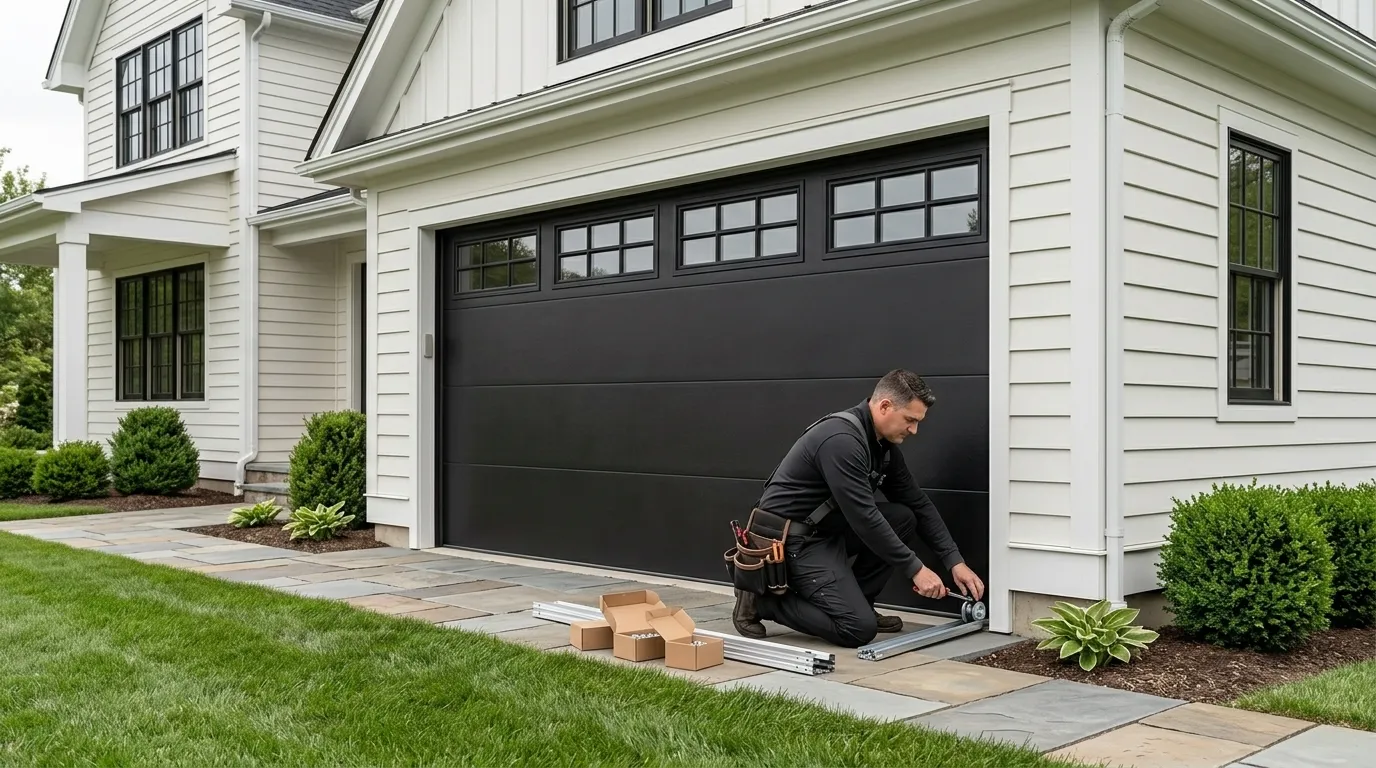
We're not going to throw a number at you that doesn't hold up once we're standing in your driveway. Roller replacement cost depends on how many rollers are bad, whether you want steel or nylon, and whether the track or hinges got bent in the process - which happens more than you'd think once a roller starts binding. A full set replacement is a different job than swapping two rollers on the bottom panel, and pricing follows that. What we can tell you: this is one of the cheaper garage door repairs there is, and it's almost always worth doing before a bad roller takes out your track or your opener has to fight it. If you want a real number, call and tell us what the door is doing - grinding, sticking, popping out of track - and we'll walk you through it before we show up.
One honest note: if your rollers have been bad long enough to warp the track, the roller swap alone won't fix the door. We'll tell you straight if that's the case instead of selling you a roller job that doesn't solve the actual problem.
Grand Rapids housing runs mostly 1954 to 2002, with the bulk of it built in the 1980s and 90s across the 26 neighborhoods and nearby communities we work in. That era of construction means a lot of doors on original or first-replacement steel rollers - the stamped-steel type with no bearing, riding straight on a raw axle. Those rollers were fine for the first decade or two. After that, in a cold-climate area like ours, they start showing it.
Our winters are the other half of it. Grand Rapids sits in a severe cold-weather band, and that means grease inside roller bearings stiffens up every winter, expands and contracts every freeze-thaw cycle, and eventually just quits lubricating. A stiff roller doesn't roll - it drags, and a dragging roller wears a groove into the track faster than a healthy one ever would. Add in road salt tracked into an attached garage all winter, and steel rollers on 1980s and 90s hardware corrode from the inside of the bearing out. It's a specific failure pattern, and it's tied directly to how old the housing stock is and how cold it gets here - not a generic wear-and-tear story.
A straightforward roller swap - bottom brackets, hinges, all rollers on both sides - is usually a same-visit job once we're on site with the right parts on the truck. Nylon rollers with sealed bearings go in without needing to pull the whole door apart, since we're working one roller at a time while the door's supported.
Where it takes longer: if the track's been damaged by rollers that were already grinding for months, we may need to true up or replace a track section, and that adds time to the visit. Doors with high-cycle openers or heavier insulated panels - common in the newer end of the 1954-2002 housing range here - sometimes need a slightly different roller spec to carry the extra weight without repeating the same failure in a few years. We size for the door you have, not a generic size.
You'll usually hear it before you see it: a rhythmic thump or grinding sound as the door travels, worse near the top or bottom of the track where the roller works hardest against the curve. Some owners describe it as the door "chattering" instead of rolling smooth. Look at the rollers themselves if you can - flat spots, cracked nylon, or a roller that's visibly loose in its stem are all signs it's past due.
If you're getting that grinding sound only in the cold months and it eases up in summer, that's the bearing-and-temperature pattern we see a lot in this climate - the grease inside stiffens with the cold and loosens back up once it warms. It doesn't mean the problem's gone. It means it's about to get worse again next winter.
Bad rollers usually show up as noise and rough travel - grinding, thumping, or the door looking uneven as it moves. A bad spring usually shows up as effort: the door feels heavy, won't stay open, or the opener strains and reverses. If the door sounds bad but still moves at a normal pace and weight, start with the rollers.
For most houses in our area, yes. Nylon rollers with sealed bearings run quieter and don't need the periodic lubrication steel rollers do, which matters given how much our winter temperature swings stiffen up grease in an unsealed bearing. They cost a little more upfront and typically outlast steel rollers by years.
You can, but rollers on the same door usually wear at close to the same rate since they've carried the same weight and cycles. Replacing only the worst ones often means you're back for the rest within a year or two. We'll tell you what we see on your door rather than push a full set automatically.
They can. A roller that's dragging or binding makes the opener work harder to pull the door through that section of track, and over months that extra strain wears on the drive gear or belt. Catching worn rollers early is cheaper than catching them after the opener starts struggling too.
By Neighborhood
We also handle roller replacement in these Grand Rapids-area suburbs.
Call now or request a free quote - same-day service on most repairs, upfront written pricing.